
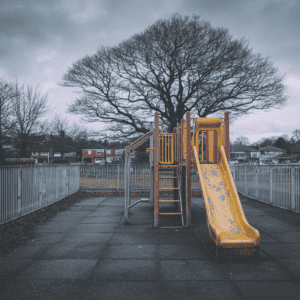
On streets from the North West to the Midlands, you might be noticing something subtle but profound: fewer children’s pushchairs, and more dog leads. In many parts of the UK today, dog parks and open green spaces feel busier than playgrounds, not because the country has forgotten children, but because everyday life has quietly been reshaped around dogs.
In fact, a recent analysis found that in roughly one in three postcode areas in England, dogs now outnumber children. The Times
Where Dogs Lead the Count
Researchers comparing dog population data with children’s age-range counts identified several postcode areas and towns where dogs outnumber kids especially outside big cities:
Top postcodes/towns with more dogs than children
- Darlington area — the largest absolute difference in numbers, with about 68,000 more dogs than children in the wider postcode area. The Times
- Shrewsbury region — a strong dog presence second only to Darlington. The Times
- Durham — another northern hot spot with more hounds than young humans. The Times
- Telford — especially high dog-to-person ratios, with about 8.2 dogs per 20 people. University of Leeds
- Harrogate– is also among the top places with high dog densities. University of Leeds
Alongside these towns, many rural and semi-rural postcode districts show dog dominance often places with leafy parks, wide fields, and paths where dogs fetch, sniff and socialise long after playgrounds are empty. Flourish
What This Means for Playgrounds and Parks
The shift isn’t simply numerical; it’s cultural.
In areas where children were once the main users of communal space, dog walkers now shape how parks are used:
- Bigger dog parks and dedicated off-lead areas instead of fenced play spaces.
- Weekly dog meetups where owners swap tips, gear, and life stories.
- Cafés with water bowls and shaded terraces near exercise trails.
- Councils are expanding access to green space by installing dog-friendly paths rather than traditional playground equipment.
It’s not that towns are anti-child. It’s that the demands of modern adulthood, longer commutes, later family planning, and more dual-income households without young kids mean that dogs have become the ones needing daily exercise and social contact. And parks have responded.
The New Community Pulse
Walk into a park in Telford at 6 pm, and you’re more likely to navigate around a pack of Labradors than a gaggle of toddlers. Paths that once echoed with small voices now carry the rhythmic click of leads and the happy bark of dogs meeting up after work. That shift, measurable in postcodes and observable on the ground, reflects how public space is adapting to who’s actually using it day by day.
This isn’t a zero-sum game between children and dogs. But as towns invest in new green space plans, playgrounds are getting fewer refreshes while dog parks, agility courses, and shaded seating for walkers are everywhere you look.